Interactive Read Aloud: Webinar Follow Up!
Interactive Read Alouds are my newest passion I think and I was so thrilled to share my excitement with you all last night. It was far from perfect, but hopefully you could glean some new ideas. As promised, here is a recap and my attempt to answer many of your questions.
BRACE yourself... this is a long post.


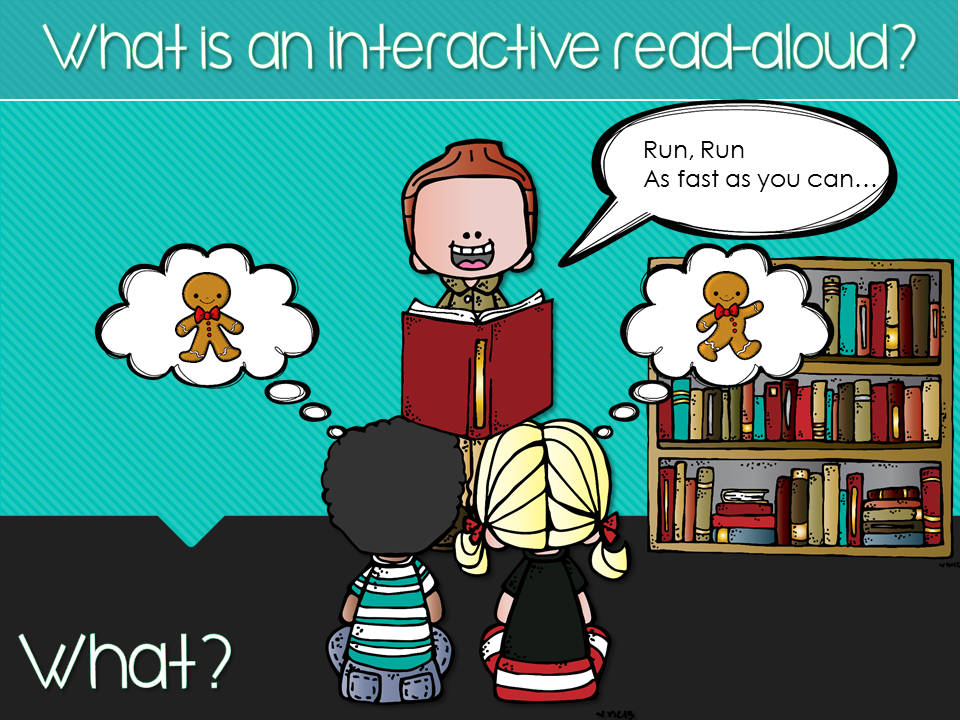
An interactive read aloud isa systematic method of reading a book aloud. The teacher is doing the word decoding and the students are asked to do the thinking work. Through careful planning, teachers can scaffold the student’s understanding of the book being read. The teacher also models strategies for comprehension as well as teaches vocabulary.

Research has demonstrated that the most effective read-aloudsare those where children are actively involved in asking and answering questions and making predictions, rather than passively listening.
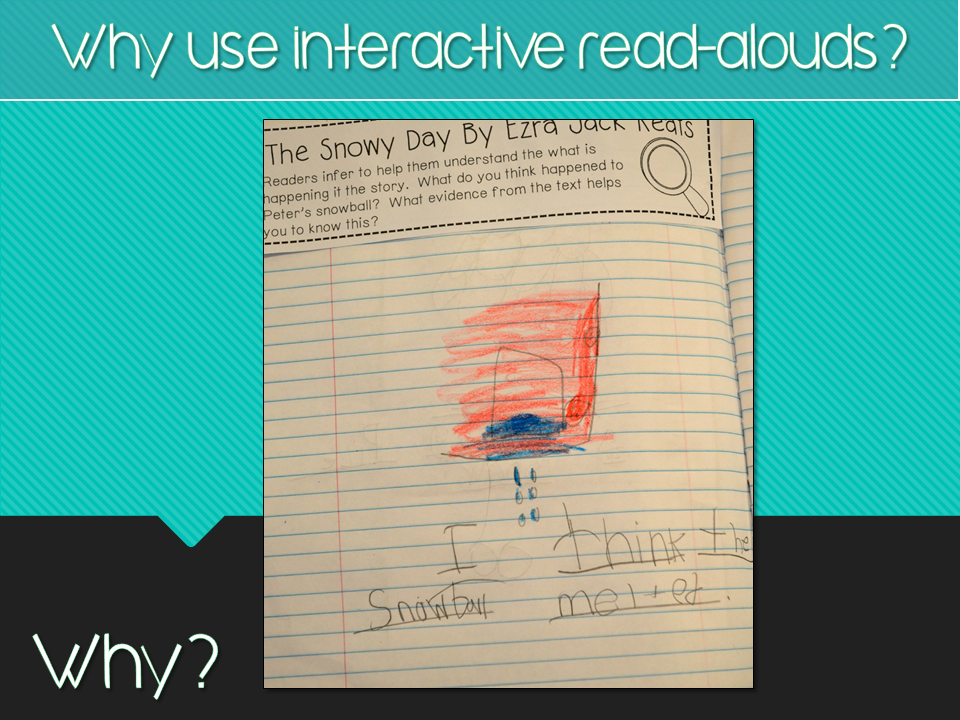
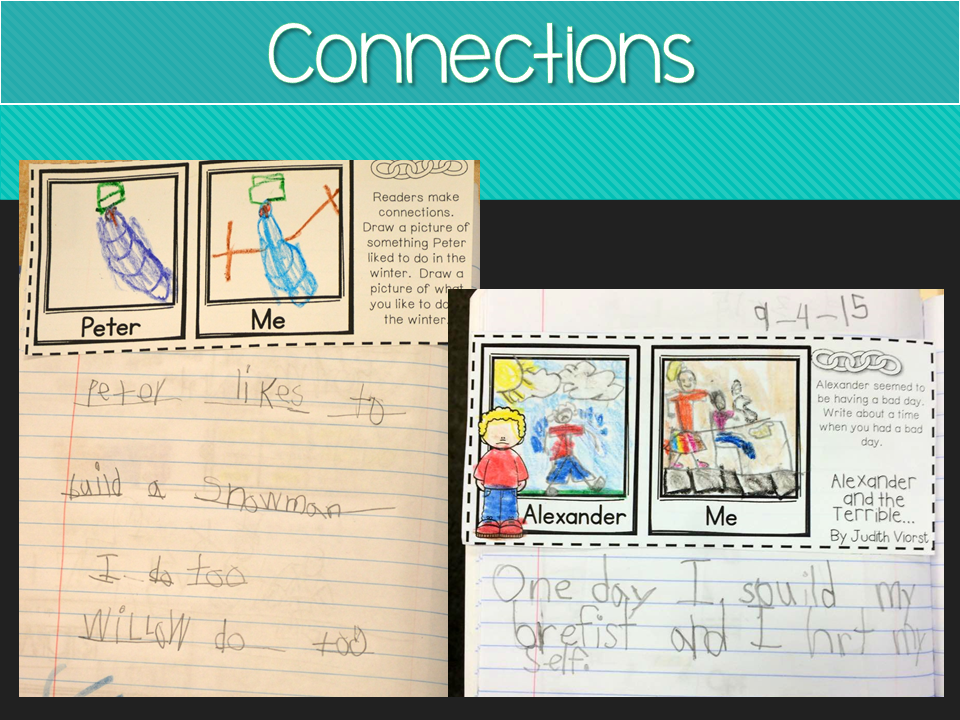
Talking, writing, and/or drawing in response to reading gives kids an opportunity to make their thinking visible.
Passion is contagious… GREAT instruction starts with passion. Some books just BEG to be read over and over again. In order to have meaningful conversation, you must start with a great book!
As promised, here are some books that spark conversations! I am sure you will find many of your favorite books. If you click on the pictures below, you will get a download document.
Talking, writing, and/or drawing in response to reading gives kids an opportunity to make their thinking visible.
Passion is contagious… GREAT instruction starts with passion. Some books just BEG to be read over and over again. In order to have meaningful conversation, you must start with a great book!
As promised, here are some books that spark conversations! I am sure you will find many of your favorite books. If you click on the pictures below, you will get a download document.


With an interactive read aloud, careful planning is needed. So you need time to LIVE with the book before you attempt to read it to your students.
I have been guilty of grabbing a book off the shelf and thinking, hmm… this will be good. Only I either underbake the book and just skim the meaning of the text OR I end up with a surprise. Have you ever read a book and then had to back peddle?
I have been guilty of grabbing a book off the shelf and thinking, hmm… this will be good. Only I either underbake the book and just skim the meaning of the text OR I end up with a surprise. Have you ever read a book and then had to back peddle?


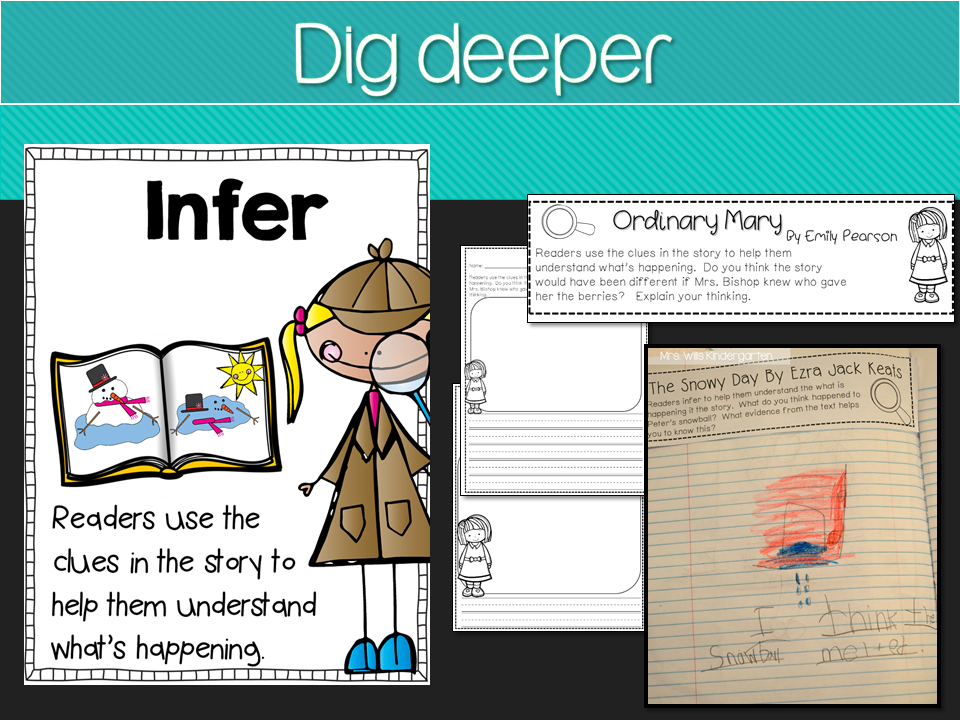
Here are some of the strategies that you can focus on.
There are some strategies that lend themselves to the beginning of the book. These are strategies that generally done on the first day of the book. Naturally, if they already know the story… I like to ask the students to make a prediction when there is evidence gathered to help them.
There are some strategies that lend themselves to the beginning of the book. These are strategies that generally done on the first day of the book. Naturally, if they already know the story… I like to ask the students to make a prediction when there is evidence gathered to help them.

Naturally with picture books, the illustrator gives the reader a hand. They provide the images. Proficient readers visualize and create images using different senses to better understand what they read. As students progress in their reading into say, chapter books, images are not available and they must make their own images. I have worked as an interventionist with a group of 4thgraders who could decode like the wind, but their comprehension was low. When I asked them to visualize, I found they were unable to with explicit instruction. So we worked on drawing the images they saw.
The images below are from our kindergarten students as they visualize Gritch from Piggie Pie.
The images below are from our kindergarten students as they visualize Gritch from Piggie Pie.


Then students partner talk and retell the events in the story. The peanut butters' start at the beginning and when I say switch, the jellys' continue on from there. When they get to the end of the story, they start over again. In this way EVERYONE is participating in the retell. The partners must listen to each other so they will know when to chime in. Then they will construct the retell individually (craft or in their notebook).

Some stories are harder to tell in a sequential order because there are related series of events, but they don’t necessarily have to happen sequentially. So we do an “In the story” “Not in the story” activity.


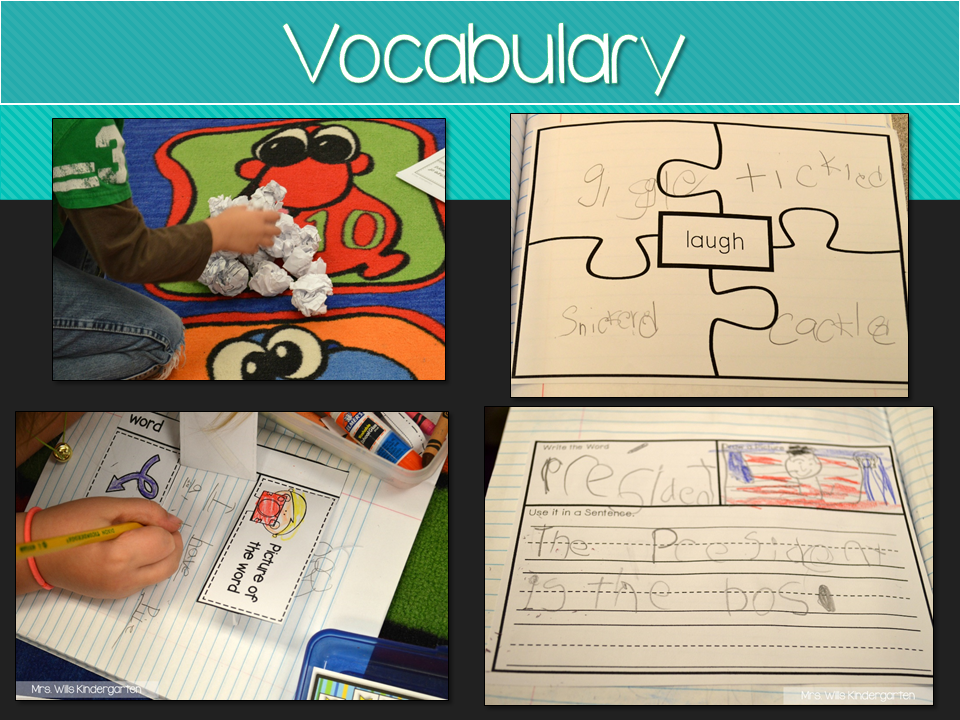
Each week we pull 2 words from the text and examine their meaning. Because the students are hearing the same words over and over, the words become permanent.


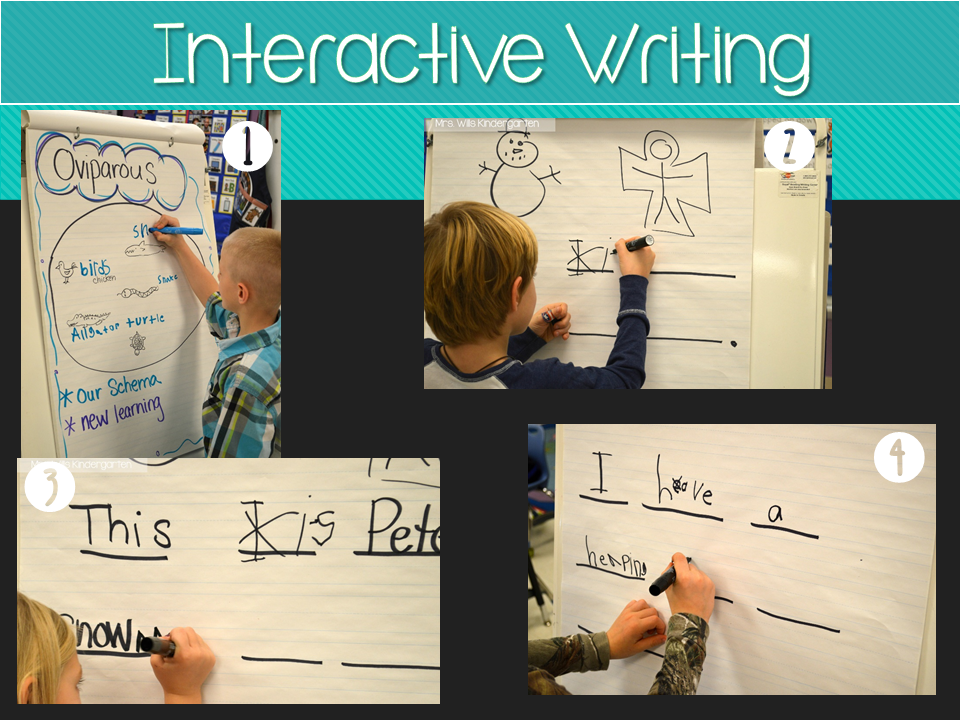
Interactive writing is a powerful to demonstrate writing. It invites kids to “come along, let’s compose and write this together." When werespond to a writing prompt we ALWAYS start by talking. First and foremost they are doing the hard work of comprehension! Once we feel we have an idea of the message we want to convey, the students share in the composition of that message.
Here are some examples: #1 we were building our schema chart on oviparous animals. I called on students to help stretch outthe sounds. Unlike writers workshop, I help them with the sounds they don’t know, but I hold them accountable to the sounds they DO know. I will share more on how I gather this data. I knew this little friend knew the /sh/ sound in isolation, so I asked him to transfer this knowledge to his work.
#2 Whoops! A capital letter! This was in January when I was really working on getting those capital and lowercase letters correct.
#3 This is the same message. I wrote “this”, my friend in picture 2 wrote “is”, I wrote “Peter” {oh! That’s a person’s name, I need a capital letter!} my friend wrote snowman. Realize you have 2.2 seconds before their attention span is GONE! So move quickly while you reinforce writing conventions! (spaces, capital letters, punctuation... oh my!)
#4 What are the lines for? We compose the message together. Example: I have a heaping pile of snow. We say the sentence over and over and over in lots of different voices. Then draw a line for each word. This was a vocabulary example.
When students go off to write their own response, they may decided to copy what we have written, but you will find over time they will go off and write their own response. In my opinion, it is okay to let them copy in the beginning. Remember… this is INTERACTIVE Writing, NOT writer’s workshop.
How do we know they got the big idea? Read their responses! These look like the students listened in on the story and picked up on the words the author used to describe the qualities of a good president.
Here are some examples: #1 we were building our schema chart on oviparous animals. I called on students to help stretch outthe sounds. Unlike writers workshop, I help them with the sounds they don’t know, but I hold them accountable to the sounds they DO know. I will share more on how I gather this data. I knew this little friend knew the /sh/ sound in isolation, so I asked him to transfer this knowledge to his work.
#2 Whoops! A capital letter! This was in January when I was really working on getting those capital and lowercase letters correct.
#3 This is the same message. I wrote “this”, my friend in picture 2 wrote “is”, I wrote “Peter” {oh! That’s a person’s name, I need a capital letter!} my friend wrote snowman. Realize you have 2.2 seconds before their attention span is GONE! So move quickly while you reinforce writing conventions! (spaces, capital letters, punctuation... oh my!)
#4 What are the lines for? We compose the message together. Example: I have a heaping pile of snow. We say the sentence over and over and over in lots of different voices. Then draw a line for each word. This was a vocabulary example.
When students go off to write their own response, they may decided to copy what we have written, but you will find over time they will go off and write their own response. In my opinion, it is okay to let them copy in the beginning. Remember… this is INTERACTIVE Writing, NOT writer’s workshop.
How do we know they got the big idea? Read their responses! These look like the students listened in on the story and picked up on the words the author used to describe the qualities of a good president.

Whoops! I need to provide more instruction. If they miss it this week... no problem! These strategies are spirally taught. They will have another opportunity later in the month or in another unit.


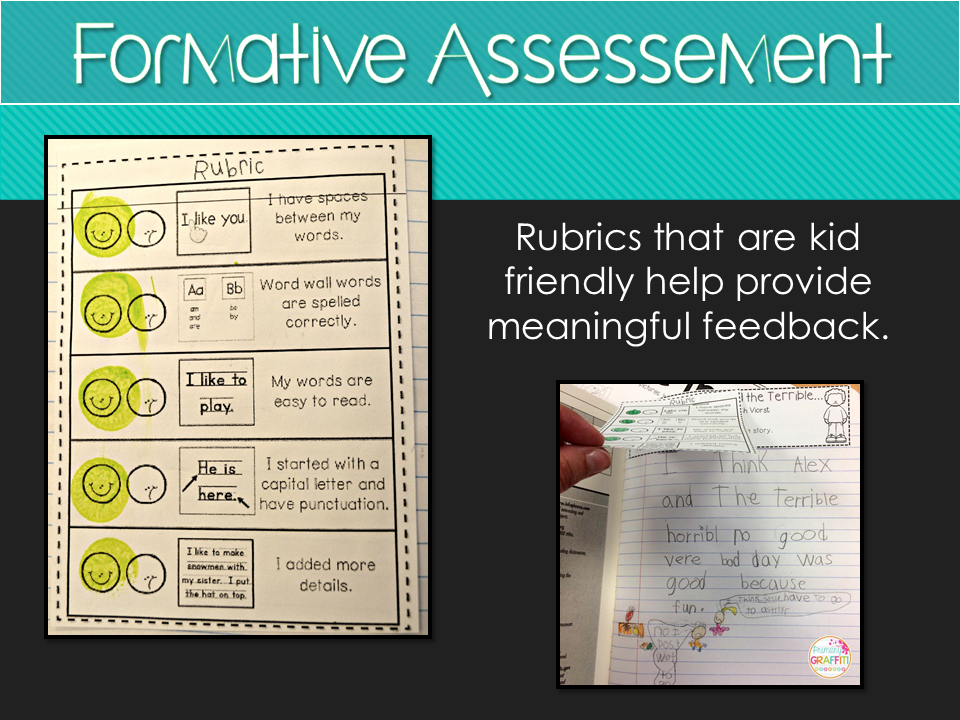
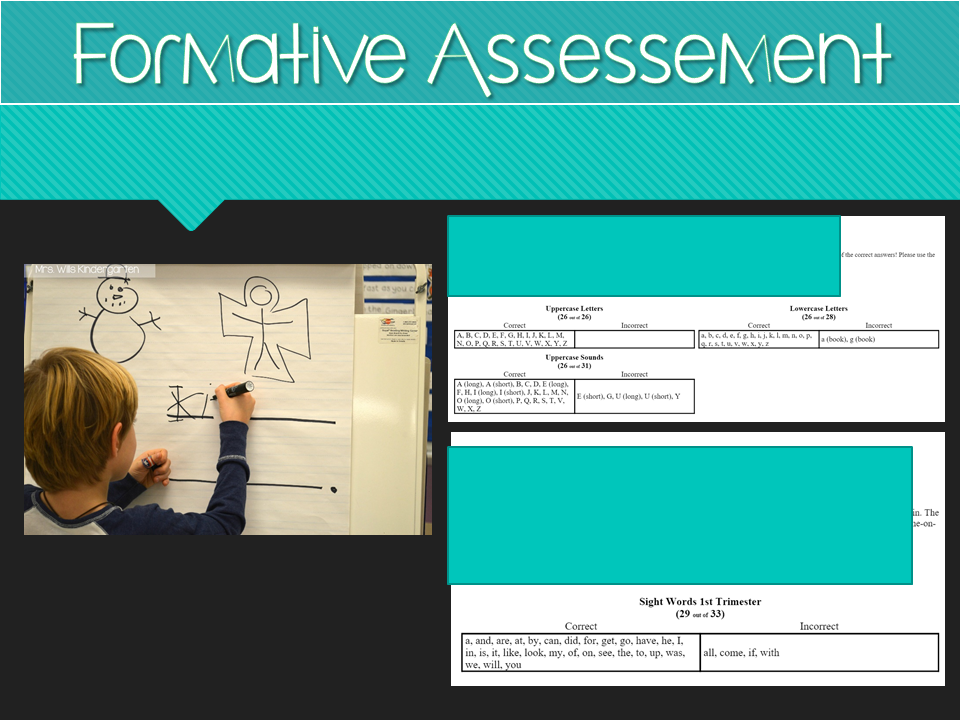
Knowing what they know is important. ESGI provides the tools to easily assess students AND helps you scaffold your instruction to support their transfer of skills. It is one thing for a student to "test" that they know something. It is another thing to see them transfer this knowledge into practice.

For those who need a comprehension summative assessment, we have those as well. I have entered the same tests into ESGI so you can test and hold the data there. I have added August to December so far. Even if you don't use our Guiding Reader's units, you can still use the assessments.

Questions and Answers Q: So there about 15 variations on this question: How to you keep all readers engaged?
A: First of all, I am animated when I read a book. I rarely sit and read. I am usually walking and reading while I weave my way through the students sitting on the carpet. If I have someone playing beauty shop, I use proximity to get their attention. After the first two weeks, everyone understands that they will be responsible for the learning. THEY are going to be talking to their partners about comprehension focus. THEY are going to be responding in writing (which might just be an illustration... that is OK if that is where they are academically.)
Q: How to you engage reluctant readers?
A: Sort of the same idea up above. 99% of your students love what you love. If you are excited, they are excited. Also understand, if you are expecting your students to do something that is outside of their range of ability, they might push back. So know your students! Keep data handy so you can get the most out of your students without jumping outside of their zone of proximal development.
Q: What do you do if your district has a "program" to follow but you want to use Guiding Readers?
A: I know I have been blessed that I have never had a basal or "program" to follow. However, from time to time districts that I have worked in have proposed them. Here is how I have handled it. YOU have to know the research and what best practices surrounding instruction suggest. I can tell you that best practices do not support basal readers. YOU must be well versed in it if you are going to bring about change. Here are some authors I can suggest:
READING: Debbie Miller, Stephanie Harvey WRITING: Matt Glover, Katie Wood Ray Math: Kathy Richardson, John Van de Walle
Here is my opinion. 99.9% of the principals out there are looking for the best results for their students. I believe that they have the best interest of students in mind. So how to your bring about change? 1. Know your stuff and be able to articulate your instructional beliefs. 2. Approach your principal in this way. Ask him/her if you can beta test a new practice. Invite them to come into your classroom for a baseline lesson. Ask him/her to return 4 weeks later after teaching this other way and I KNOW they will be impressed. Don't take my word for it. Here are some testimonials:
"This entire unit is phenomenal! I am into the second week of teaching it and am so impressed with the growth my kindergarteners are showing already. This unit has it all: organization, routine, higher level thinking skills, and covers ALL of the standards in one neat little bundle! Thank you!"
"These packets are so great!!! My Superintendent stopped to watch a lesson during a "walk through" and was very impressed!"
"I LOVE this bundle! It is exactly what I have been looking for. I teach ESOL Kindergarteners of different proficiency levels, and the lesson plans here work very well with all of them. The students are always excited to do the activities, and are always engaged in while I'm reading the books to them. I love the detailed lesson plans, they make my job so much easier! I just have to print them out and print the resources out, and I'm all set! :) Thank you so much for this!"
"This has worked miracles in my classroom. My outdated basal series needed help. You solved my needs and helped me develop passionate readers!"
"Love, Love, Love, these units. They are a life saver! My principal came in and observed me and I was teaching with these lessons. He was very impressed, and I got great scores. Thanks for all your hard work."
"I have purchased every unit created and will continue to do so until I have them all. I love the completeness of each lesson. My District uses the DRA for benchmark testing and these units have been vital to the success of my students. All aspects of literacy are carefully woven throughout each lesson -- and I can modify if needed. In short, no matter how I choose to use these units my lessons are always complete. I am so grateful to you for the countless hours spent on creating such quality. Thank you, thank you, thank you."
"My literacy coach walked in to my room while we were in the middle of one of these guiding readers lessons. She couldn't stop talking about how great it was and how engaged the students were and what a great way to hit multiple core standards in one lesson. Thank you for making me look so good!"
"WOW! We are loving this. My K kids are drawing things about stories that I did not think possible! I have had numerous visitors who cannot believe the conversations that my children are having about the books that we have read - love the quick letter review, my children are so excited to begin blending! Thanks"
I hope the quotes don't sound braggy, but I honestly feel that our Guiding Readers are like our babies. We are so thrilled to hear the you all love them too. You can read more reviews HERE and HERE.
Thank you for hanging in with me!
Now the giveaway part... Click on the image below to take you to ESGI. There you can try their life changing assessment software for FREE for 2 months. My link will also give you a big discount should you purchase the program. If you already have ESGI... no worries... you can still enter.
A: First of all, I am animated when I read a book. I rarely sit and read. I am usually walking and reading while I weave my way through the students sitting on the carpet. If I have someone playing beauty shop, I use proximity to get their attention. After the first two weeks, everyone understands that they will be responsible for the learning. THEY are going to be talking to their partners about comprehension focus. THEY are going to be responding in writing (which might just be an illustration... that is OK if that is where they are academically.)
Q: How to you engage reluctant readers?
A: Sort of the same idea up above. 99% of your students love what you love. If you are excited, they are excited. Also understand, if you are expecting your students to do something that is outside of their range of ability, they might push back. So know your students! Keep data handy so you can get the most out of your students without jumping outside of their zone of proximal development.
Q: What do you do if your district has a "program" to follow but you want to use Guiding Readers?
A: I know I have been blessed that I have never had a basal or "program" to follow. However, from time to time districts that I have worked in have proposed them. Here is how I have handled it. YOU have to know the research and what best practices surrounding instruction suggest. I can tell you that best practices do not support basal readers. YOU must be well versed in it if you are going to bring about change. Here are some authors I can suggest:
READING: Debbie Miller, Stephanie Harvey WRITING: Matt Glover, Katie Wood Ray Math: Kathy Richardson, John Van de Walle
Here is my opinion. 99.9% of the principals out there are looking for the best results for their students. I believe that they have the best interest of students in mind. So how to your bring about change? 1. Know your stuff and be able to articulate your instructional beliefs. 2. Approach your principal in this way. Ask him/her if you can beta test a new practice. Invite them to come into your classroom for a baseline lesson. Ask him/her to return 4 weeks later after teaching this other way and I KNOW they will be impressed. Don't take my word for it. Here are some testimonials:
"This entire unit is phenomenal! I am into the second week of teaching it and am so impressed with the growth my kindergarteners are showing already. This unit has it all: organization, routine, higher level thinking skills, and covers ALL of the standards in one neat little bundle! Thank you!"
"These packets are so great!!! My Superintendent stopped to watch a lesson during a "walk through" and was very impressed!"
"I LOVE this bundle! It is exactly what I have been looking for. I teach ESOL Kindergarteners of different proficiency levels, and the lesson plans here work very well with all of them. The students are always excited to do the activities, and are always engaged in while I'm reading the books to them. I love the detailed lesson plans, they make my job so much easier! I just have to print them out and print the resources out, and I'm all set! :) Thank you so much for this!"
"This has worked miracles in my classroom. My outdated basal series needed help. You solved my needs and helped me develop passionate readers!"
"Love, Love, Love, these units. They are a life saver! My principal came in and observed me and I was teaching with these lessons. He was very impressed, and I got great scores. Thanks for all your hard work."
"I have purchased every unit created and will continue to do so until I have them all. I love the completeness of each lesson. My District uses the DRA for benchmark testing and these units have been vital to the success of my students. All aspects of literacy are carefully woven throughout each lesson -- and I can modify if needed. In short, no matter how I choose to use these units my lessons are always complete. I am so grateful to you for the countless hours spent on creating such quality. Thank you, thank you, thank you."
"My literacy coach walked in to my room while we were in the middle of one of these guiding readers lessons. She couldn't stop talking about how great it was and how engaged the students were and what a great way to hit multiple core standards in one lesson. Thank you for making me look so good!"
"WOW! We are loving this. My K kids are drawing things about stories that I did not think possible! I have had numerous visitors who cannot believe the conversations that my children are having about the books that we have read - love the quick letter review, my children are so excited to begin blending! Thanks"
I hope the quotes don't sound braggy, but I honestly feel that our Guiding Readers are like our babies. We are so thrilled to hear the you all love them too. You can read more reviews HERE and HERE.
Thank you for hanging in with me!
Now the giveaway part... Click on the image below to take you to ESGI. There you can try their life changing assessment software for FREE for 2 months. My link will also give you a big discount should you purchase the program. If you already have ESGI... no worries... you can still enter.

a Rafflecopter giveaway
Thank you for joining me in the Webinar last night!
Congratulations to the gift certificate winners from last night. If you email me, I will let you know how to claim your prizes
Leah Travis Samantha Baker Tanya Solano Mitzi Vincent Kelly Thornton
If you missed it, you can see it HERE.